Kitchen skills
The little details that change what happens in the pan.
 Kitchen skills
Stop moving the mushrooms for a moment
A little contact with the pan is what creates the browned surface.
 Kitchen skills
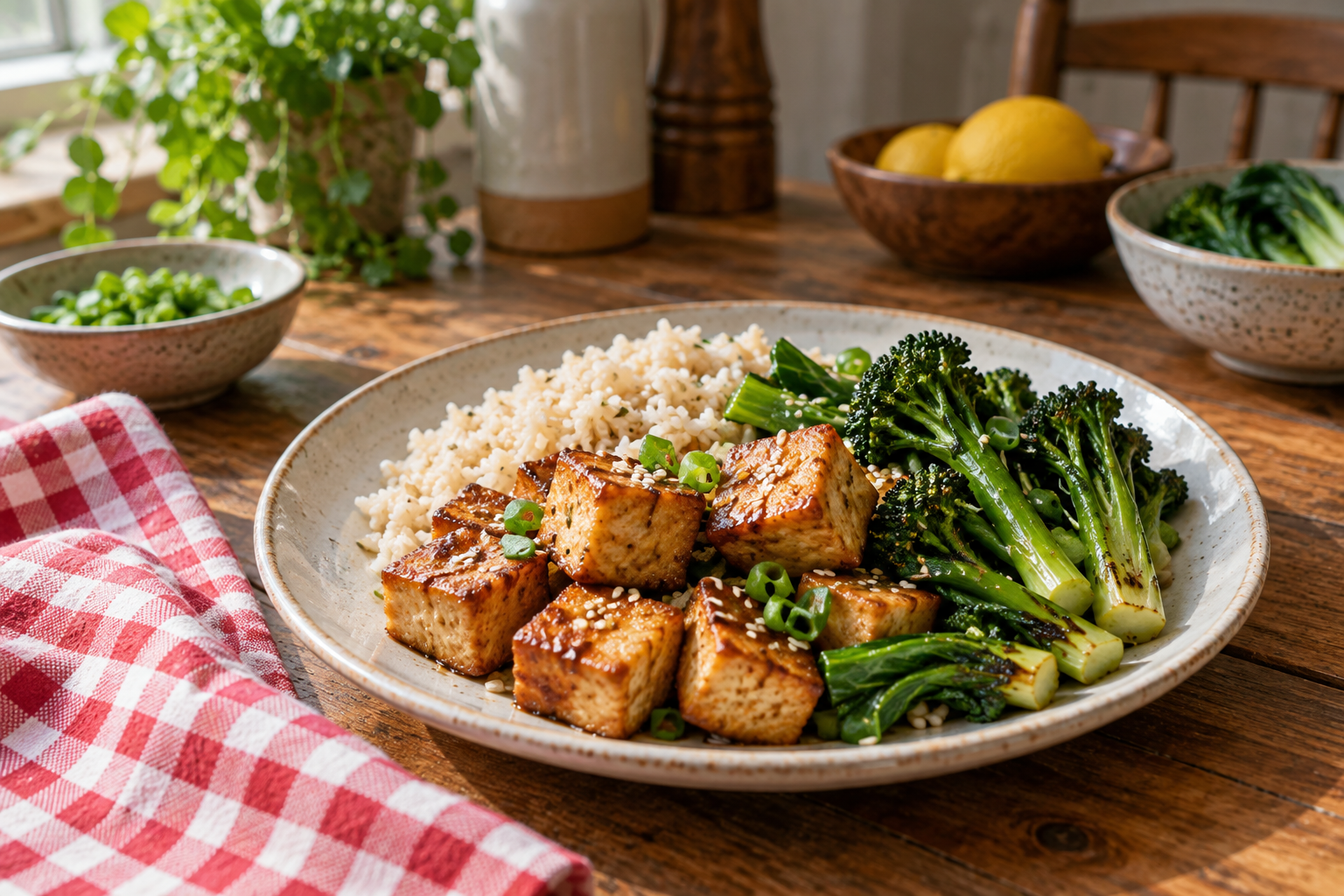
A dry tofu surface makes a difference
Remove surface moisture before reaching for more starch or oil.
 Kitchen skills
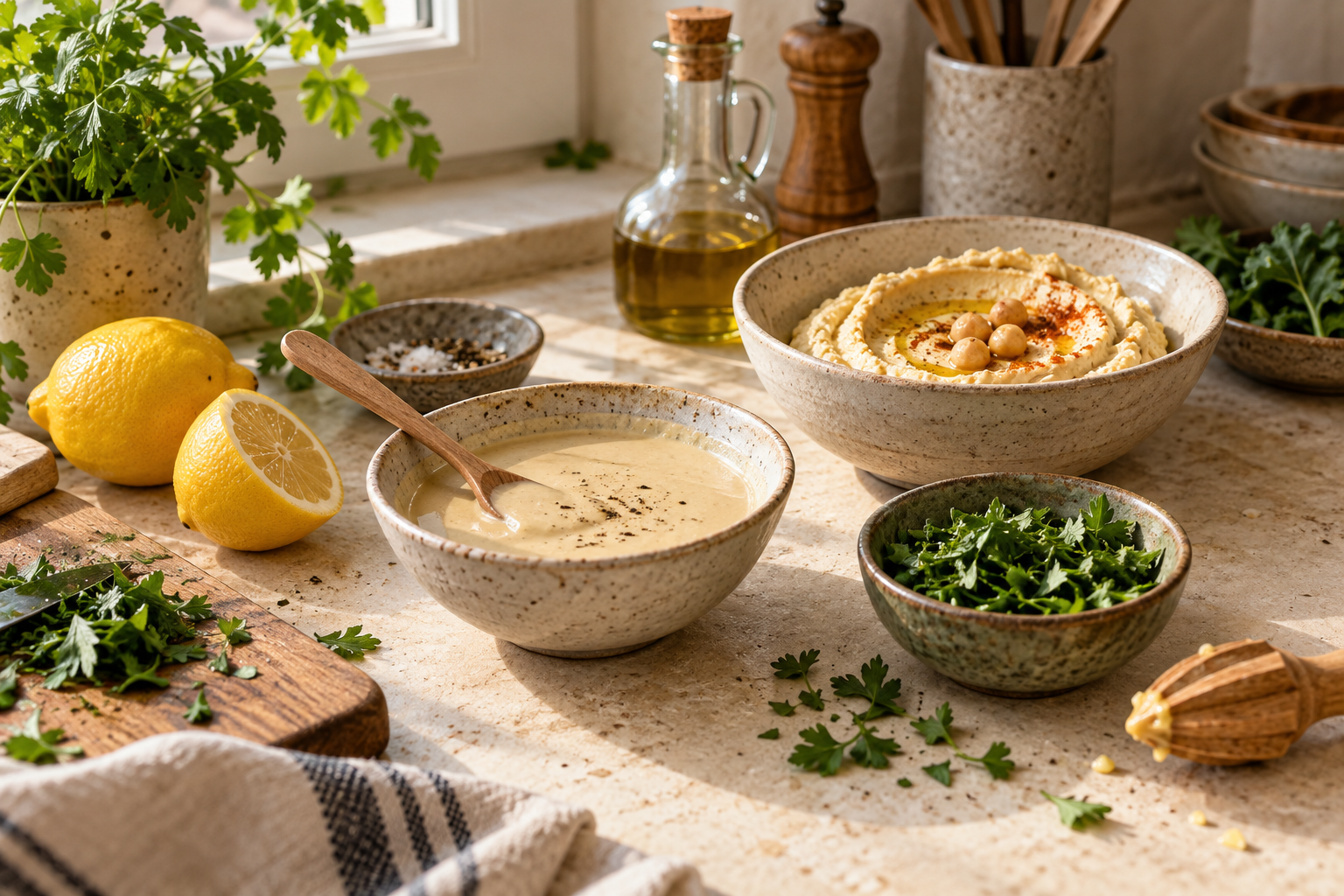
Why your tahini dressing suddenly turns thick
Keep adding water gradually; the first thick stage is not necessarily a failure.
Kitchen skillsTaste one spoonful before changing the whole pot
A separate sample lets you test an idea without committing dinner to it.
Kitchen skillsCut for cooking time, not perfect appearance
Similar thickness matters more than identical shapes.
 Kitchen skills
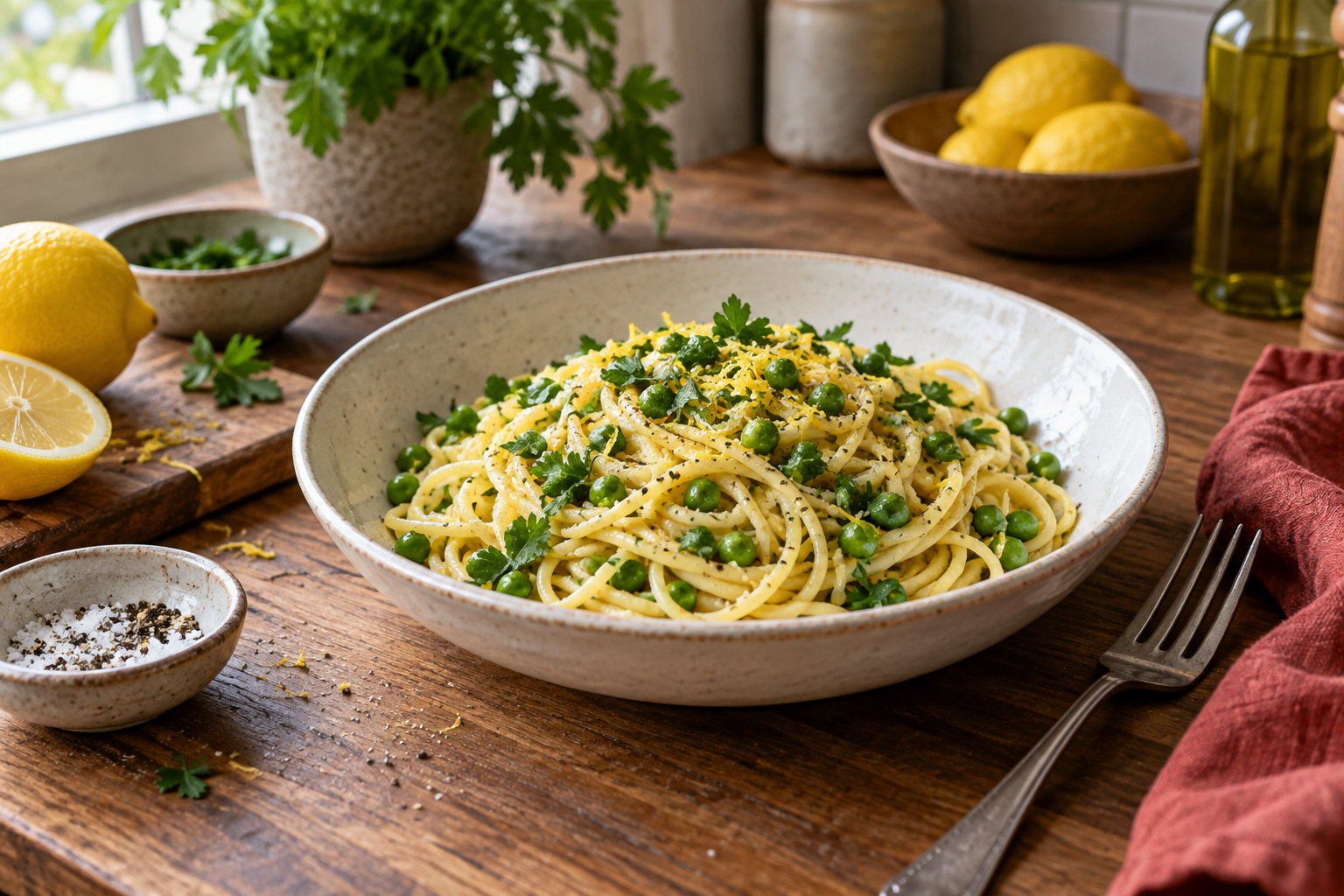
Build a sauce around the pasta water
Save it before draining, then add it by the spoonful.
Kitchen skillsLet garlic arrive after the slower vegetables
Small pieces can burn while onions are still trying to soften.
Kitchen skillsRoast with space between the pieces
A second tray can be more useful than a higher oven setting.
Kitchen skillsA dressing should be tasted with its food
A sharp spoonful may be right once it meets beans or potatoes.
Kitchen skillsMake a smooth bean spread without drowning it
Add liquid in small amounts and scrape the sides between blends.
Kitchen skillsHow to keep a wrap from becoming wet bread
Separate juicy additions until you are ready to eat.
Kitchen skillsA little crunch can finish a soft meal
Toast a small amount and add it at the table.
Kitchen skillsUse the whole herb bunch thoughtfully
Tender stems and woody stems belong in different places.
 Kitchen skills
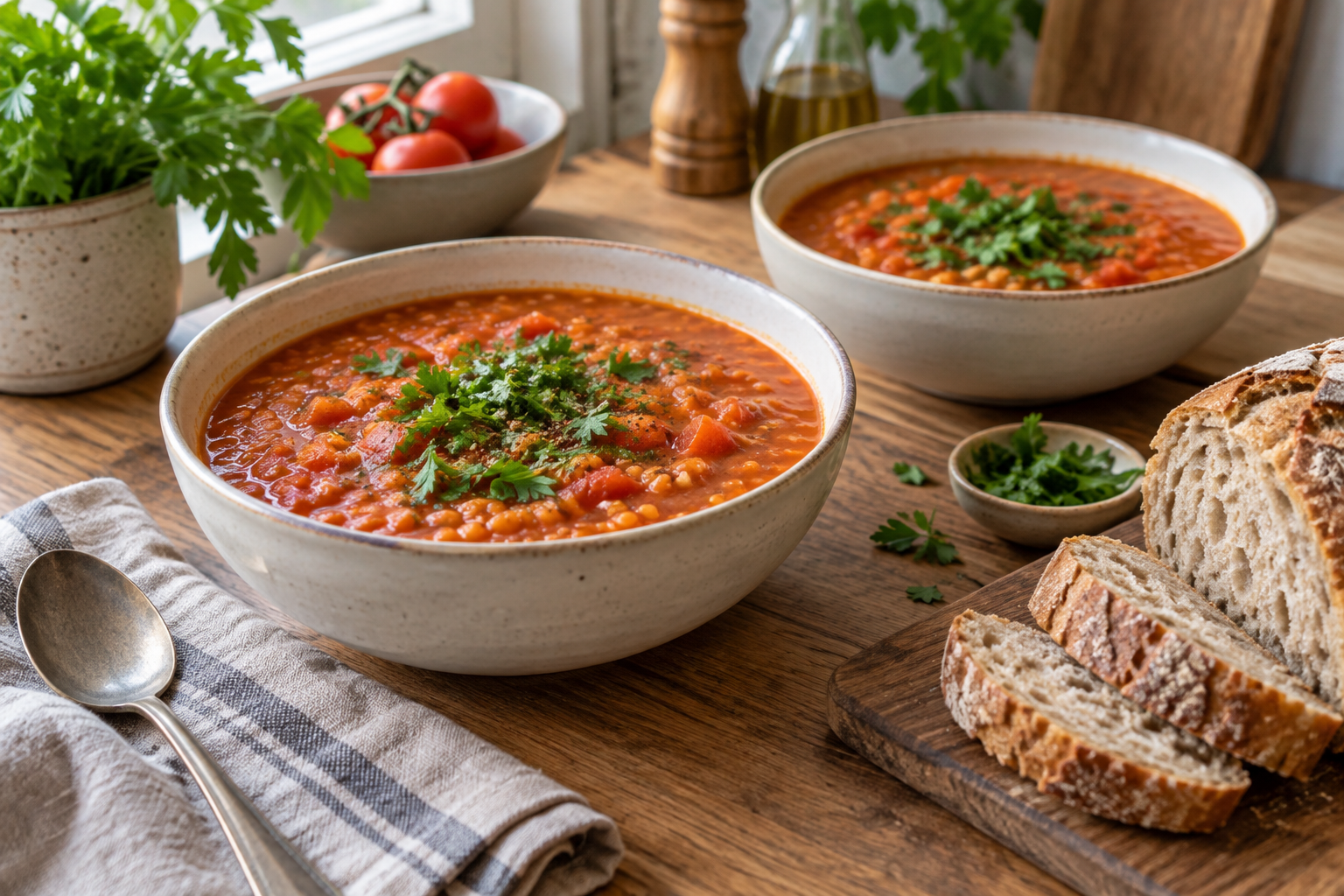
Loosen a thick soup before judging the seasoning
Texture changes how concentrated the flavor seems.
Kitchen skillsToast seeds while watching the pan
Small ingredients can move from pale to burnt surprisingly quickly.
Kitchen skillsCut a stable base before chopping
A vegetable that does not roll is easier to control.
Kitchen skillsA blender does not need to make every soup
Blend a portion if you want body while keeping some pieces.
Kitchen skillsAdd delicate greens near the end
A handful of leaves often needs less cooking than the beans beneath it.
Kitchen skillsFinish with zest when you do not want more liquid
Citrus aroma and citrus sharpness are separate tools.
Kitchen skillsA pan sauce should not become a lake
Reduce before adding ingredients that are already cooked.
Kitchen skillsBrown the tomato paste briefly
Give it a little heat before diluting it into the sauce.
Kitchen skillsKeep raw onion from taking over a salad
Use less, cut it finely, and taste the finished mouthful.
Kitchen skillsPack salad dressing separately when texture matters
Leaves and crisp vegetables can wait more comfortably without the sauce.
Kitchen skillsA baking scale is useful for savory food too
It helps you understand portions and repeat a result you liked.
Kitchen skillsLet hot food cool safely, not indefinitely
Smaller containers help you put food away promptly.
Kitchen skillsRice needs a prompt move to cold storage
Plan for the leftovers before you cook a large batch.
Kitchen skillsA clean spoon is a useful habit
Taste freely while cooking without returning a used spoon to shared food.
Kitchen skillsThe useful pause before plating
Check temperature, texture, and the first mouthful together.
Kitchen skillsKeep a note of the change that mattered
Record the adjustment you want to remember, not a transcript of the evening.